How to Help a Cat That Does Not Like Drinking Water: 7 Simple Ways Owners Can Do Every Day
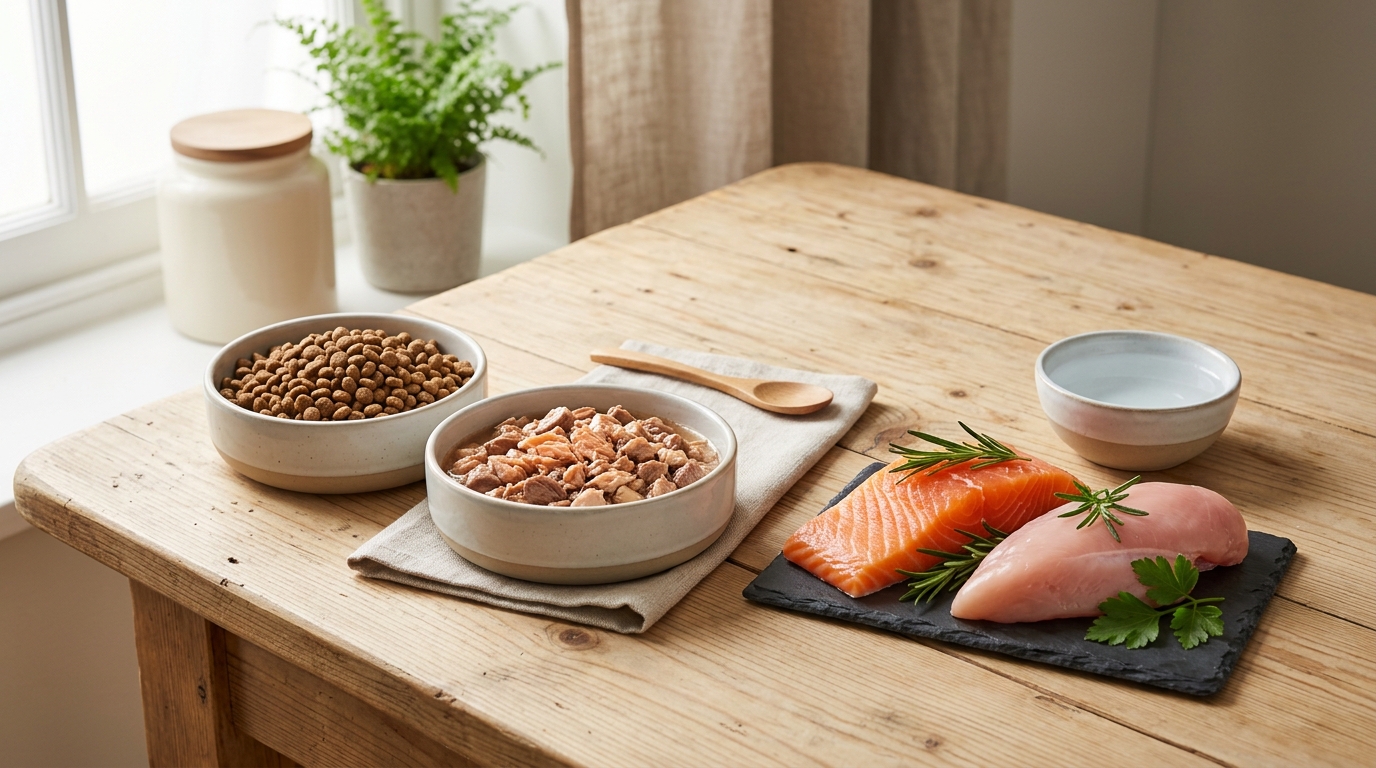
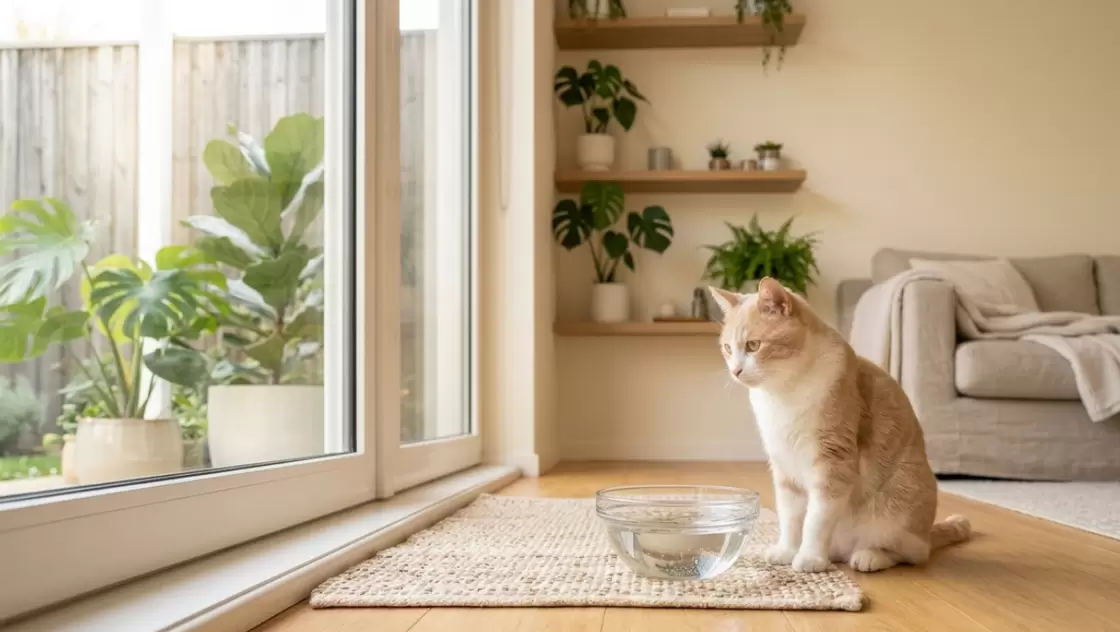
How to Help a Cat That Does Not Like Drinking Water: 7 Simple Ways Owners Can Do Every Day7 easy daily tips to help support bowel movements, urination, and overall body balanceCats naturally tend to drink very little water, so many owners may notice that their cats rarely walk over to drink on their own, even when a water bowl is available all day. This may seem like a small issue, but over time, low water intake can affect your cat’s daily comfort, bowel movements, and overall health balance.This is especially important in households with indoor cats, sterilised cats, senior cats, or cats that mainly eat dry food. Not getting enough water may lead owners to notice certain changes, such as hard stool, difficulty passing stool, reduced urination, or a cat that simply does not seem as bright and comfortable as usual.This article will walk you through why some cats do not like drinking water, practical ways to increase water intake in daily life, and how to choose meals that are more suitable for cats that drink too little water, so owners can care for them more easily in the long term.Note: This article is intended as basic information for cat owners. If your cat becomes lethargic, refuses food, has difficulty urinating, or shows any other unusual symptoms, you should consult a veterinarian.Quick Summary Before You ReadMost cats naturally drink very little water. Low water intake may be associated with hard stool, difficulty passing stool, reduced urination, and daily discomfort. Practical ways to increase water intake include using a cat water fountain, placing several water bowls around the house, changing the water frequently, and adding wet food to meals. In households where cats drink very little water, both water and food should be considered together. Wet food is another useful option for increasing moisture in daily meals. Why Do Cats Not Like Drinking Water? Common Reasons Cats Drink Too LittleCats naturally tend to drink less water because their ancestors adapted to environments where they received part of their water from food. As a result, many domestic cats do not feel thirsty as often as some other pets.In addition to this natural tendency, there are several other reasons why cats may drink too little water, such as:they do not feel the urge to drink very often they dislike still or stale water they do not like where the water bowl is placed they dislike bowls that are deep, narrow, or have a smell there are too few water bowls in the house they mainly eat dry food, so they receive less moisture from meals Although this is a common behavior, if a cat continues to drink too little water, owners should find suitable ways to help increase daily intake, because water is essential for everyday life, elimination, and overall body balance.What Happens If a Cat Drinks Too Little Water? Signs Owners Should KnowWhen a cat does not get enough water, one of the first things owners may notice is a change in bowel movements and daily behavior, such as:hard stool or more difficulty passing stool less regular bowel movements reduced urination seeming lethargic or less lively eating normally, but still appearing uncomfortable In some households, owners may notice that the cat goes to the litter box more often, but produces only a small amount of urine. Some cats may also become more irritable when they do not feel comfortable physically. Supporting water intake is therefore not just about leaving out a water bowl, but about helping the cat get enough moisture every day.How Can You Tell If Your Cat Is Drinking Too Little?Owners can begin by watching for these common signs:stool looks dry, hard, or small the cat takes longer when passing stool urination is less frequent than usual the cat rarely goes to drink water on its own the cat seems sleepy, lethargic, or less playful the cat still eats, but overall seems less fresh and comfortable than usual If you notice several of these signs consistently, you should start adjusting your cat’s routine at home. If more obvious symptoms appear, such as marked lethargy, refusal to eat, or difficulty urinating, you should consult a veterinarian as soon as possible.How Much Water Does a Cat Need Per Day?In general, cats may need approximately 50–60 milliliters of water per kilogram of body weight per day, including both the water they drink directly and the moisture they get from food.For example, if a cat weighs 4 kilograms, total daily water intake may be around 200–240 milliliters. Actual needs may vary depending on age, diet, weather, and activity level.For households where cats mainly eat dry food or rarely walk over to drink water on their own, increasing moisture in meals can be another practical option.7 Simple Ways to Increase Water Intake in Cats That Do Not Like Drinking Water1) Use a Cat Water FountainMany cats prefer running water over still water because it feels fresher and more interesting. A cat fountain is therefore one of the methods that works well in many homes, especially for cats that are not interested in regular water bowls.A useful tip is to choose a fountain that is easy to clean, change the water regularly, and keep the machine clean at all times.2) Add Wet Food to MealsOne of the easiest and most effective ways is to add wet food, because wet food contains much more moisture than dry food. This helps cats take in more water through meals without needing to walk over and drink frequently.For households that want to increase daily moisture intake, wet cat food can be a very helpful option, especially for adult cats, indoor cats, or cats that do not drink much water on their own.Browse Moochie wet cat food3) Place Water Bowls in Several Spots Around the HouseSome cats do not like walking far to drink, while others may avoid drinking in busy areas. Placing several water bowls around the house can increase the chances that your cat will come across one and decide to drink.The best locations are usually quiet, well-ventilated spots that are not too close to the litter box.4) Keep the Water Fresh and CleanMany cats are picky about how fresh their water is. If water has been sitting out too long, has dust in it, or contains food particles, the cat may not want to drink it.It is recommended to change the water at least once or twice a day and wash the water bowls regularly. This is especially important in homes with more than one cat.5) Choose a Bowl Your Cat LikesOne small detail owners often overlook is the water bowl itself. Some cats do not like bowls that are too deep because their whiskers may touch the sides and make them feel uncomfortable.Water bowls that often work well for cats are:wide-mouthed not too deep easy to clean with no hard-to-reach corners free from lingering odors In some households, simply switching from a narrow bowl to a wide bowl can make a cat drink more.6) Keep the Water Bowl Separate from Food and the Litter BoxSome cats do not like their water bowl too close to their food, and most do not like drinking near the litter box. Giving enough distance between these areas can help the cat feel more comfortable when drinking.Observe your cat’s behavior carefully, because some households may need to test two or three different positions before finding the one the cat truly prefers.7) Add a Small Amount of Water to Wet FoodFor households where the cat already accepts wet food, adding a little clean water to each meal is another easy way to increase total water intake.This method is ideal for owners who want to help their cats drink more naturally. However, the amount of water added should be moderate so the texture does not change too much and make the cat refuse the meal.What Kind of Food Is Suitable for Cats That Drink Too Little Water?In addition to water bowls and fountains, food is another very important factor for households where cats do not drink much, because meals with appropriate moisture content can directly increase daily water intake.When choosing food for cats that drink too little water, consider whether it:provides moisture in the meal is easy to eat and well accepted suits the cat’s life stage and lifestyle can be given consistently in daily life For adult cats whose owners want to increase meal moisture, rotating wet food into daily feeding may make meal planning easier and may also make meals more appealing to the cat.Which Cats Need Extra Attention to Water Intake?Some groups of cats may need more careful support with water intake, such as:indoor cats with low daily activity sterilised cats, where owners also need to pay attention to food balance and energy use cats that mainly eat dry food, since they get less moisture from meals senior cats, whose drinking and elimination habits should be monitored more closely If your cat falls into one of these groups, you can start with small changes, such as adding more water stations, changing water more often, and choosing meals with appropriate moisture content.What Mistakes Do Owners Commonly Make When Trying to Help Cats Drink More Water?Many owners care deeply for their cats, but sometimes small details may still prevent the cat from drinking more, such as:placing only one water bowl in the house not changing the water often enough using a bowl that is narrow or has a smell placing the water near the litter box assuming that dry food alone is enough and that no extra moisture is needed changing everything at once, so the cat has no time to adjust A better approach is to change one thing at a time and observe whether the cat’s drinking behavior improves. For example, start by adding wet food first, then place one or two more water bowls in different locations.When Should You Take Your Cat to the Veterinarian?Although many cases of low water intake can first be managed at home, you should consult a veterinarian promptly if you notice any of the following:the cat refuses to drink water continuously obvious lethargy refusal to eat difficulty urinating or abnormally low urine output vomiting severe difficulty passing stool or obvious pain during elimination Sometimes what looks like “just drinking too little water” may have another underlying cause. An examination by a veterinarian can help ensure proper care.Moochie and the Idea of Caring for Cats Through Every MealMoochie believes that caring for a cat’s health is not only about delicious food, but also about paying attention to small details every day, including water intake, meal choices, and selecting the right formula to suit each cat’s lifestyle.For households looking for wet cat food to help increase daily moisture intake, Moochie offers options designed to suit different needs, such as:Moochie Meaty Adult for adult cats Moochie Sterilised Cat for sterilised cats Moochie Indoor Cat for indoor cats Choosing food that suits each cat’s lifestyle can help make daily care more practical, consistent, and sustainable over time.Conclusion: Helping Your Cat Drink More Water Starts with Small Everyday HabitsIt is not unusual for cats not to like drinking water, but it should not be ignored. Water is an important part of body balance, elimination, and daily comfort.Owners can start with simple steps, such as changing the water to keep it fresh, using a fountain, placing bowls in several locations, and adding wet food to daily meals. These gradual changes can help cats take in more water more naturally.Sometimes good cat care does not need to begin with a major change. It can start with small, thoughtful actions every day. For many households, choosing meals with appropriate moisture content is another important step in supporting a cat’s long-term wellbeing. Choose the Right Food for Your CatFAQ: Frequently Asked Questions About Cats That Drink Too Little WaterQ : Is it dangerous if a cat drinks too little water?A : Ongoing low water intake may be associated with hard stool, difficulty passing stool, reduced urination, and daily discomfort, especially in cats that mainly eat dry food or rarely go to drink water on their own.Q : How much water should a cat drink per day?A : On average, a cat may need around 50–60 milliliters of water per kilogram of body weight per day, including both drinking water and moisture from food.Q : What is the most effective way to help a cat drink more water?A : Many households see good results by combining wet food and a cat water fountain, because this helps increase both meal moisture and the cat’s interest in drinking.Q : Is constipation related to low water intake in cats?A : Yes, it can be. Water plays a role in comfortable bowel movements. If a cat does not get enough water, stool may become harder and more difficult to pass.Q : What should I do if my cat refuses to drink water at all?A : Try changing the water more often, placing several water bowls around the house, changing the bowl type, using a cat fountain, and adding wet food to daily meals. If there is no improvement or other symptoms appear, consult a veterinarian.Q : How often should I change my cat’s water?A : In general, it is recommended to change the water at least once or twice a day so that it stays clean, fresh, and appealing.Q : Why do some cats prefer drinking from a tap instead of a bowl?A : Some cats prefer running water because it feels fresher and more interesting than still water, which is why cat fountains often work well in many homes.Q : Can wet food replace drinking water?A : Wet food can help increase total body water intake through meals, but it should not replace drinking water entirely. Cats should still always have access to clean water every day.Explore Products for Your CatMoochie Meaty AdultMoochie Sterilised Cat Moochie Indoor Cat Moochie Dry Cat Food Recommended Articles for Cat OwnersWhat Food Should You Choose for a Sterilised Cat? What Food Is Best for Indoor Cats? How to Choose Wet Cat Food for Different Life Stages How to Care for an Adult Cat Where to Buy MoochieMoochie products are available at leading pet shops nationwide.Shopee: moochiepetfood officialLazada: moochiepetfood shopLINE Official: @moochieBecause Every Meal Is LoveMoochie believes that good cat care starts with everyday basics, whether it is choosing the right food, paying attention to water intake, or noticing small behavior changes that may affect long-term health. For Moochie, good health does not come from one big meal alone, but from love, care, and consistency in every meal, every day.Updated on : 25 May 2026