Our Blogs

Stories That Inspire


  • 2025

Benefits of Taurine for Your Cat's Health

        Cats are obligate carnivores. Unlike herbivores or omnivores, they are not able to synthesize the taurine they need from other amino acids like methionine and cysteine. In addition, many animal species can use glycine or taurine to conjugate bile acids into bile salts, but cats can only conjugate bile acids with it. This low rate of synthesis combined with the loss of it in bile contributes to an increased dietary requirement of taurine for cats. With insufficient amounts of this essential amino acid in their diet, cats can develop central retinal degeneration, reproductive failure and impaired fetal development or heart cardiomyopathy.            Therefore, the Association of American Feed Control Officials, or AAFCO, recommends the minimum allowance of taurine for wet food to be 0.2% on a dry matter basis. The chance is that this amount might be covered by the natural taurine in meat alone, but due to a significant amount of variability of its concentrations in meat, high solubility in water, danger of delay in exhibiting clinical signs of deficiency and the fact that supplementation is relatively safe with no reports of any issues associated with overdose, it might be beneficial to always have a small amount of excess in your raw cat food. So a reasonable amount of taurine to add is approximately 250 mg of taurine per 1lb of meat.               For the benefits of taurine, it provides 5 key benefits of cats which are ;Supports brain health : Taurine helps regenerate brain cells. It plays a critical nutritional role in brain cell growth, differentiation, and development.Maintains healthy eyesight in pets : Without Taurine, the retinas of cats may deteriorate. Reduces the risk of DCM in cats : Cats cannot synthesize taurine, that’s why they need it in their diet.Supports reproductive health : In cats, lack of taurine may lead to reproductive complications like reproductive failure or poor growth in kittens. Taurine also promotes reproductive health in cats and dogs.Protects the immune system : The fundamental role of taurine in the immune system is related to its antioxidant properties. Taurine protects tissues from oxidative stress associated with the pathology of various inflammatory diseases. 

An Easy-to-Follow Guide to Switching Cat’s Food in 7 Days

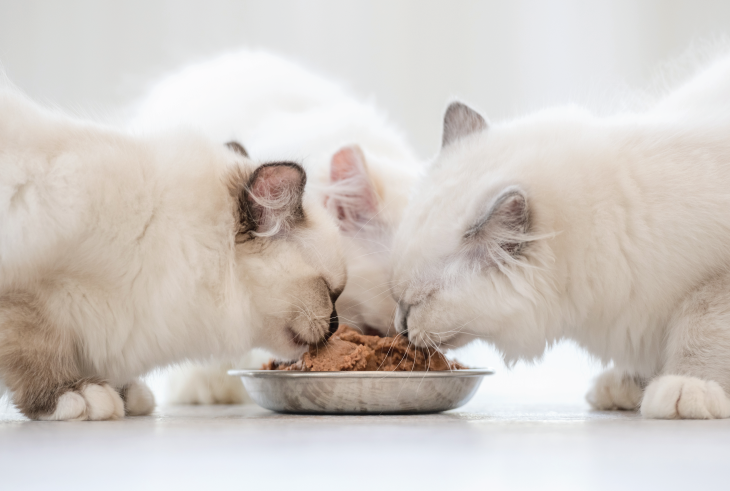
Each cat has its own favourite and familiar taste. In order to switch the all-time favourite food into the new one, cat owners need to know that the menu should be gradually changed to prevent your cat from getting stomachache or any danger that could happen by following these easy-to-follow tips, and it will take only 7 days to complete!   Why should we switch the cat’s food? Sometimes, you might have decided that it is the high time we should change the type of food for our favourite kitty. The reasons for changing the food may be happened from various factors, whether it is because 1) Your little kitten is growing up to become a full-grown cat 2) The cat’s health needs have been changed which might require more proper nutrition 3) Upon the cat owner’s desire to change the type of food whether to be moist or canned cat food, dry cat food or mixed cat food   Nowadays, the cat food has been progressively developed to ensure that the food is being balanced and being appropriate with the age range, physical state and lifestyle for each cat, and to completely grant the nutritional benefits to the cat without the risk of being malnutrition. That means the cat owners tend to frequently switch the cat’s food along with the variety type of food to be chosen.   Cat food transition, why should it be carefully done? First experience of food plays an important role in the long-term food preference of the kitty. Therefore, prior to bringing new little kitty home, the cat lovers should be aware of which kind of food that this kitty used to have since kittens will adjust to new environment a lot easier if they have been provided the same food with the one that they used to have. Similarly, if there is the transition of food, it should be gradually done in all age ranges as some cats might be suspicious when it comes to the new food. This behaviour is called the fear of new food or Neophobia, it is believed that cats will develop this phobia in order to prevent them from poisonous food or contaminated food. This will be the explanation of why you should gradually increase the portion of a new food and this will also reduce factors that create stress, including prevent the cat from the refusal to try a new food.   Guide to switching food for your dearest cat Did you know that gradual transition to a new cat food by mixing the new food with the old food for at least one week is considered to be the best method and the best period of time? Besides, using this method will also prevent your cat from stomach pain, Neophobia or other anxieties. Tips are to begin with mixing with the small amount of the new food, then gradually increase the portion of the new food until your cat has completely transitioned to have only the new food.   Day 1 and 2 – 75% of old food mixing with 25% of new food Day 3 and 4 – 50% of old food mixing with 50% of new food Day 5 and 6 – 25% of old food mixing with 75% of new food Day 7 – 100% of new food   Cautions : your cat’s usual feeding routine should remain the same, being strict with the former food time and eating environment, in order to minimize the changes and to ensure that cats are feeling at ease during the transition.   Carefully keep an eye on your cat When it comes to the transition, do not forget to closely observe the cat’s behaviour to see how your cat reacts to the new food. If the suitable food is given, it will result in good physical conditions, including healthy weight and quality of excrement.

13 Superfoods that are Safe for Dogs

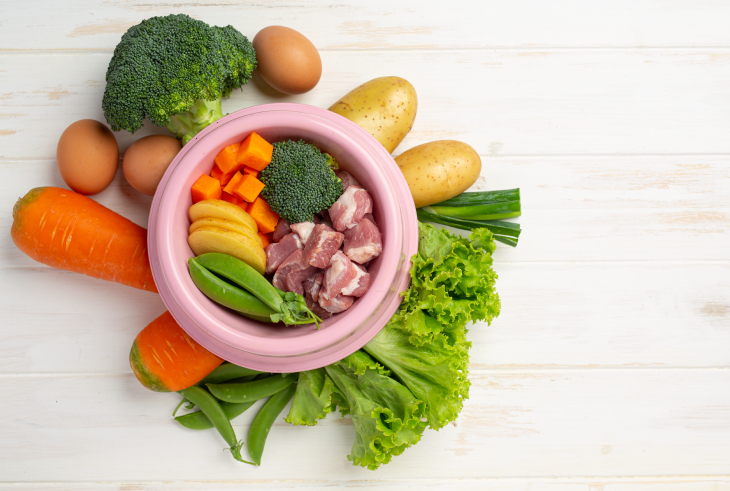
Superfoods for dogs can be very beneficial for promoting digestive health, healthy skin and coat and improve your dog's immune system. Below are 13 superfoods for dogs that you can start adding to their meals to improve and help your pets have the best possible life. These are not just specifically for dogs, all of the superfoods listed are human foods so there is no need to go out specifically, you can just simply add these items to your normal grocery list. 1. Carrots : It is a healthy raw snack to bite on without the guilt. Its benefits are healthy eyesight and preventing heart disease. 2. Blueberries : These are a great fresh snack, but also in the summer months you can freeze them for added crunch or place into ice cubes and add to their water bowl for some additional flavour. Its benefits are antioxidants and fibre. 3. Coconut Oil : This little gem is an overall superb superfood for dogs. Its benefits are improving and maintaining  Digestive system, immune system, skin and coat. 4. Peanut Butter : Apart from being absolutely delicious in baking treats, such as healthy (Natural Dog Treats) peanut butter and banana dog treats or placing in balls/toys for a boredom buster, 100% natural peanut butter is packed with protein and contains healthy fat for a dog’s heart and also contains vitamin B and E.  5. Kale : It’s pretty common knowledge that Kale is a superfood for humans. It contains iron and lutein which promotes healthy eye health. Kale does contain oxalates which can interrupt with the absorption of calcium so ensure your pooch is getting enough calcium. It is a rich source of iron and lutein.     6. Sweet Potato : It promotes a healthy immune system and aids in a healthy coat. Also, it is a source of iron which maintaining the immune system. 7. Apples : This fruit is a great treat, It’s very crunchy which is great for healthy clean teeth. It contains fibre which is also a bonus for their digestive system. 8. Pumpkin : This vegetable is great for constipation as it is high in fibre and water so it helps maintain a healthy digestive system. Also, it is great for their immune system and supports healthy skin. 9. Fish : It contains healthy oils for a dogs skin and coat. Also fish being naturally oily it’s good for digestion. Its benefits are Omega3 for healthy skin and coat. 10. Eggs : It’s packed with protein and amino acids and is great for their coat. Also, it is a good non-meat source of protein. 11. Bananas : These are great when baking treats or pupcakes for your pooch. General health benefits from bananas are the potassium, which promotes a healthy heart, kidney function and nervous system. 12. Quinoa : This is a great alternative to rice. It is high is protein and fibre which is great for the digestive system and it is easily digestible for dogs. 13. Broccoli : This is a common green superfood for humans and it is also great for dogs. Cooked/steamed broccoli is great for potassium (if your pooch doesn’t like banana treats) high fibre for digestion and calcium for bones. Source : https://pawlife.com.au/superfoods-for-dogs/

What Are the Benefits of Feeding Wet Dog Food?

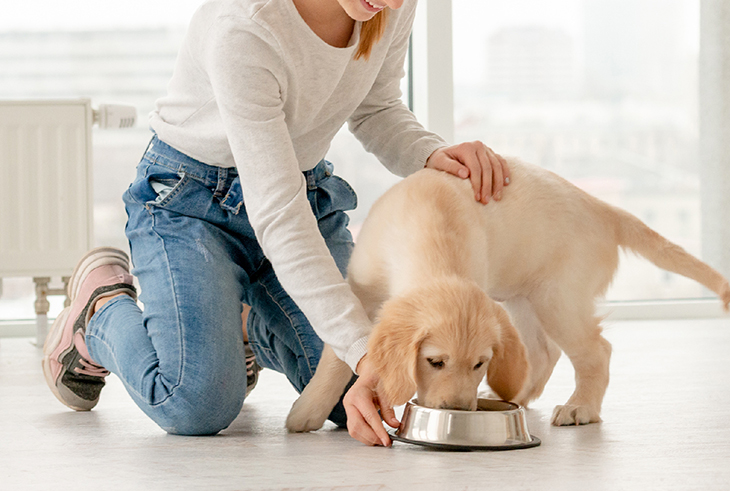
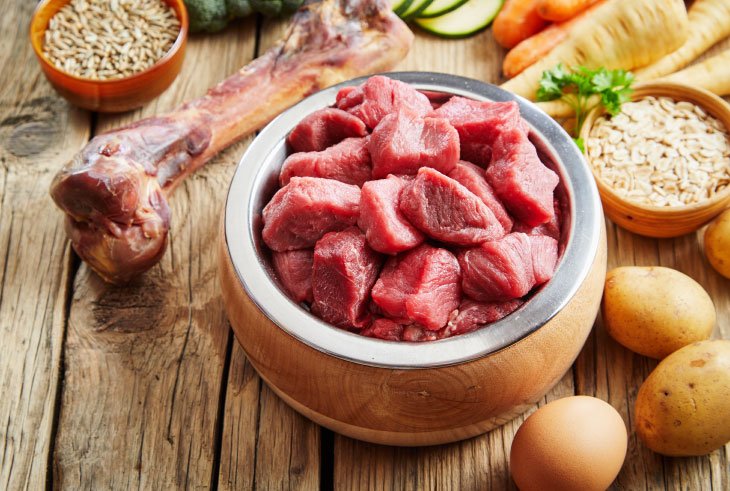
If you have a dog who’s a fussy eater, you may be losing patience trying to find a dog food your canine will love and continue to enjoy. Mixing up mealtime with some wet dog food can help tempt your canine back to his bowl.  Wet dog food is a palate pleaser for most canines. It enhances the flavor of your dog’s kibble when used to top dry dog food, and it can expose your dog to a variety of new tastes and nutritious ingredients. If your dog is like many canines, he may not drink enough water. Wet dog food can help keep your dog hydrated because it has a higher moisture content than dry food. It is easier to chew making it ideal for dogs with missing teeth, misaligned jaws or smaller mouths. Older dogs also do well chewing softer food. Rich in flavor and aroma, wet dog food can entice senior dogs to eat if their sense of smell has weakened. Aroma-rich wet dog food can also tempt dogs with poor appetites to eat. This is especially important if your dog needs nutrition to heal during an illness, yet may not feel like eating.     However, wet food can be a bit messier for your dog to eat but if your buddy loves the taste, it’s worth it. Try placing a washable or disposable mat under your dog’s bowl so the moist food has someplace to land other than on your floor. Dog food always choose the best wet dog food possible. Look for high-quality ingredients like real meat, fruits and veggies. Read the can’s label because some wet dog foods use wheat as a filler while other brands don’t.  Once opened, never leave wet food out for more than 30 minutes. Cover, refrigerate and use the food within five days to prevent spoilage. Also, store leftover wet dog food in its can or inside a glass container sealed tightly with a lid or plastic wrap to help preserve the taste. When it comes to mealtime, our four-legged companions appreciate diversity as much as we do. That’s why supplementing your dog’s dry food with wholesome wet food is a great way to add taste, moisture and variety to your buddy’s diet. Source : https://bluebuffalo.com/articles/dog/what-are-the-benefits-of-feeding-wet-dog-food/?returnTo=/articles/home/

How Coconut Oil Benefits Your Dog’s Health

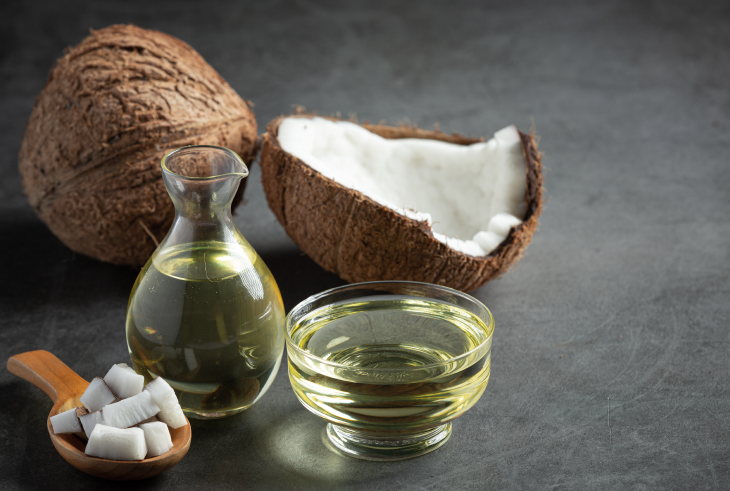
An important ingredient in America’s processed foods for most of the 20th century, coconut oil is one of the world’s few saturated-fat vegetable oils. For thousands of years, coconuts have been a staple of tropical cuisines, and those who followed a traditional coconut-based diet. Coconut oil is produced in Thailand, Fiji, the Philippines, Brazil, Indonesia, India, Sri Lanka, Jamaica, Hawaii, Mexico, the Solomon Islands, Belize, Samoa, and other countries around the world. In terms of dog’s health, the anecdotal evidence is impressive. Reports published on Internet forums describe how overweight dogs become lean and energetic soon after they begin eating coconut oil, or their shabby-looking coats become sleek and glossy, and dogs with arthritis or ligament problems grow stronger and more lively. Even some serious diseases have responded. In one case, a Doberman Pinscher with severe Wobblers made a dramatic recovery in less than a week while taking coconut oil.     Other reports involve itchy skin, cuts, wounds, and ear problems. Dogs with flea allergies, contact dermatitis, or other allergic reactions typically stop scratching soon after coconut oil is added to their food, and dogs treated topically for bites, stings, ear mites, ear infections, cuts, or wounds recover quickly. One dog was stung by a bee, causing her mouth to swell. An hour after her owner applied coconut oil to the sting and gave her a tablespoon to swallow, the swelling disappeared and the dog was herself again. Source : https://www.whole-dog-journal.com/care/how-coconut-oil-benefits-your-dogs-health/

Prebiotics for Dogs — A Dog Parent’s Primer

It’s now well known that probiotics are friendly forms of bacteria that live in the intestines and can improve our health in several ways — and now, they’re not just for humans. Many veterinarians recommend probiotics for dogs for everything from treating digestive conditions to boosting the immune system. But in order to fully reap the benefits of probiotics for dogs, experts say prebiotics for dogs may be equally important. According to Dr. Lisa Brienen, DVM, a certified veterinary homeopath practicing at Mercy Vet on Mercer Island, Washington, prebiotics are fibers that feed good bacteria in the gut. “Prebiotics improve intestinal health,” she agrees. “While probiotics are known to help introduce good bacteria into the dog’s gut, it’s the prebiotics that will act as a fertilizer for the good bacteria that’s there.”     Dr. Brienen uses gut supportive therapy regularly in her practice to promote overall health, particularly in young dogs and cats, and even to treat allergic or autoimmune disease and digestive disease. “When the intestines are leaky, proteins that wouldn’t normally move through the intestinal wall can get through and the body sees these as foreign invaders” she explains, noting that a dog’s body will naturally create antibodies to fight off these proteins, which can lead to skin, eye, ear, digestive and neurologic problems. “If you heal the leaky gut, you can solve these problems which is why prebiotics and probiotics can be helpful for the immune system and support health in all systems of the body,” she adds.  Therefore, Dr. Brienen notes that many fiber-rich foods can act as prebiotics for dogs. One of the first ones she uses in her practice is pumpkin or pumpkin powder, and she also recommends cooked yams as a fiber-rich source of prebiotics for dogs. “Pumpkin helps with intestinal health, whether the dog is dealing with diarrhea or constipation,” she explains. “Fiber slows down the intestinal transit time, absorbs fluid, lowers the pH and provides nutrients for beneficial bacterial.” Better yet, prebiotics aren’t as fragile as probiotics, in that they are not sensitive to temperature, pH or gut transit time, she notes. Source : https://www.dogster.com/dog-food/prebiotics-for-dogs